
From Scribbles to Clarity: Sketching that Accelerates UX
Why Low-Fidelity Wins Early

Setting Up Your Sketching Toolkit
Materials That Encourage Momentum
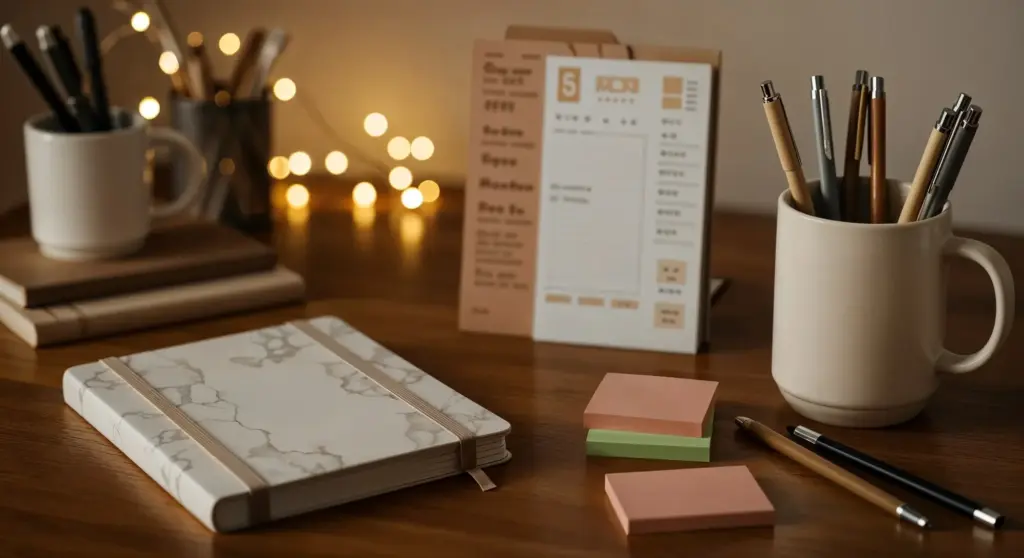
Choose tools that invite big gestures and legible text. Thick markers prevent premature detail, while contrasting pens enable quick callouts. Tear-off pads speed iteration. A team I coached gained pace by limiting fineliners until review, preserving exploration and stopping unhelpful perfectionism from sneaking into early conversations.
Reusable Frames and Grids
Prepare lightweight templates for phones, tablets, and desktops. Add gutters and baseline hints to discourage cramped layouts. Print a stack and trace quickly. Your future self will thank you when comparing flows side by side, noticing spacing issues and tap targets before they become accessibility problems.
A Workspace that Invites Iteration
Arrange walls or whiteboards to display evolving sketches. Keep tape, magnets, and space for alternates, plus a camera at hand. Make decisions visible and reversible. When artifacts stay present, questions surface naturally and newcomers ramp faster, strengthening shared mental models without tedious status meetings or scattered drive folders.
Techniques for Effective Paper Prototypes

Crazy Eights with Intent

Dot Voting Without Groupthink
Recruit Participants with Purpose
Define critical journeys first, then source people who attempted them recently. Screen for context and constraints, like device, bandwidth, or assistive tech. Incentivize respectfully. When we recruited lapsed subscribers for a cancellation flow, feedback clarified fears about losing data, shaping reassuring microcopy and clearer export options.
Run Sessions that Reveal Behavior
Favor task-based prompts over opinion questions. Ask participants to narrate intentions, not justify preferences. Keep facilitators neutral and rotate prototypes to avoid learning effects. Debrief between sessions to update hypotheses quickly, turning a rough stack of paper into a rigorous engine for discovery, prioritization, and cross-functional learning.
Analyze Findings, Not Opinions
Transcribe quotes, tag observations with severity and frequency, and synthesize patterns collaboratively. Convert insights into crisp statements and testable changes. Share a one-page readout within twenty-four hours. This pace keeps momentum, earns trust, and bakes learning into planning rituals rather than burying it inside forgotten slide decks.
Bridging Paper to Digital Delivery

All Rights Reserved.